Small bite, big risk: what North Queensland pet owners need to know this parasite season
Dr Georgia Lamperd, Tropical Vets - Innisfail
North Queensland’s climate is exactly what parasites want: warm, humid, and mild enough all year round that fleas, ticks, mites, heartworm and intestinal worms rarely get the seasonal knockback they’d face further south. That’s why parasite prevention isn’t a once-a-year job here; it’s an ongoing one.
Paralysis ticks
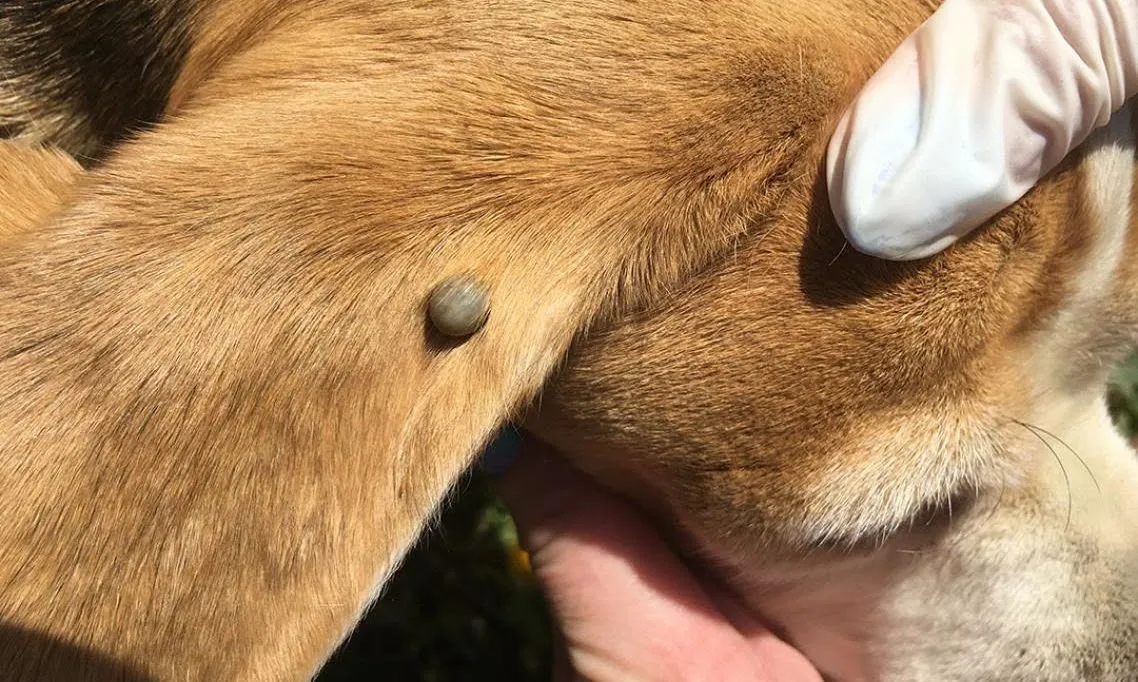
Paralysis ticks are the parasite we worry about most. Their toxin causes progressive paralysis, and in North Queensland’s climate they’re a year-round risk, with activity often peaking after rain and in humid conditions. A tick can swell to around 100 times its original size as it feeds, and can attach anywhere on the body, including between toes, inside ears, or under a collar, places that are easy to miss on a quick glance. Daily, thorough checks are the best defence alongside a reliable preventative, because no product on the market is 100% effective on its own.
Early signs of tick paralysis include weakness or wobbliness in the hind legs, reluctance to jump, a change in bark or meow, and vomiting or retching. If you find a tick, remove it with tick tweezers, grasping close to the skin and pulling steadily; avoid squeezing the body, as this can release more toxin. If your pet shows any signs of paralysis, treat it as an emergency and get to a vet immediately.
Fleas
Fleas are a numbers game. A single female can lay around 50 eggs a day, and most of an infestation isn’t actually on your pet at all; eggs, larvae and pupae live in carpets, bedding and soil, sometimes for months, waiting for the right conditions. This is exactly why flea treatment can seem to “fail”: pupae hatch out weeks after treatment and restart the cycle if the environment isn’t addressed alongside the pet.
Mites and mange
Not all mange is equal. Demodectic mange isn’t contagious between pets; nearly every animal carries some demodex mites, and problems only arise if the immune system loses control of the population, often in young, stressed, or unwell animals. Sarcoptic mange is a different story: it’s highly contagious, spreads quickly through contact or bedding, and can even affect people (though usually only temporarily). Ear mites are another common culprit, often first noticed as head shaking and a dark, coffee-ground-like debris in the ear canal.
Intestinal worms
Roundworm, hookworm, tapeworm and whipworm all turn up regularly in North Queensland pets. Several are zoonotic, meaning they can also affect people, particularly children who play in soil or sandpits where an un-wormed pet has toileted. Regular, ongoing worming (generally every three months for most pets) is the simplest way to keep this risk low.
Heartworm
Heartworm is spread by mosquitoes, and in North Queensland mosquitoes are active all year, so the risk never really switches off. It only takes one bite from an infected mosquito to pass on heartworm larvae, which grow into worms that live in the blood vessels serving the heart and lungs, and in advanced cases, in the heart itself. Left untreated, heartworm can cause heart failure, lung disease, organ damage and death. Treatment is possible once a dog is infected, but it can carry serious complications and is expensive, which makes prevention by far the safer path.
We recommend a yearly heartworm injection for dogs. One visit gives 12 months of protection and removes the risk of a missed or late monthly dose. If your dog’s prevention has lapsed, or they’ve never been protected, we’ll recommend a quick in-clinic test first, using a small blood sample, with results in 10 minutes or less. Cats can get heartworm too; they’re less susceptible than dogs, but even a small number of worms can make a cat seriously unwell, so have a chat with us about the right approach for your cat.
Two local cases
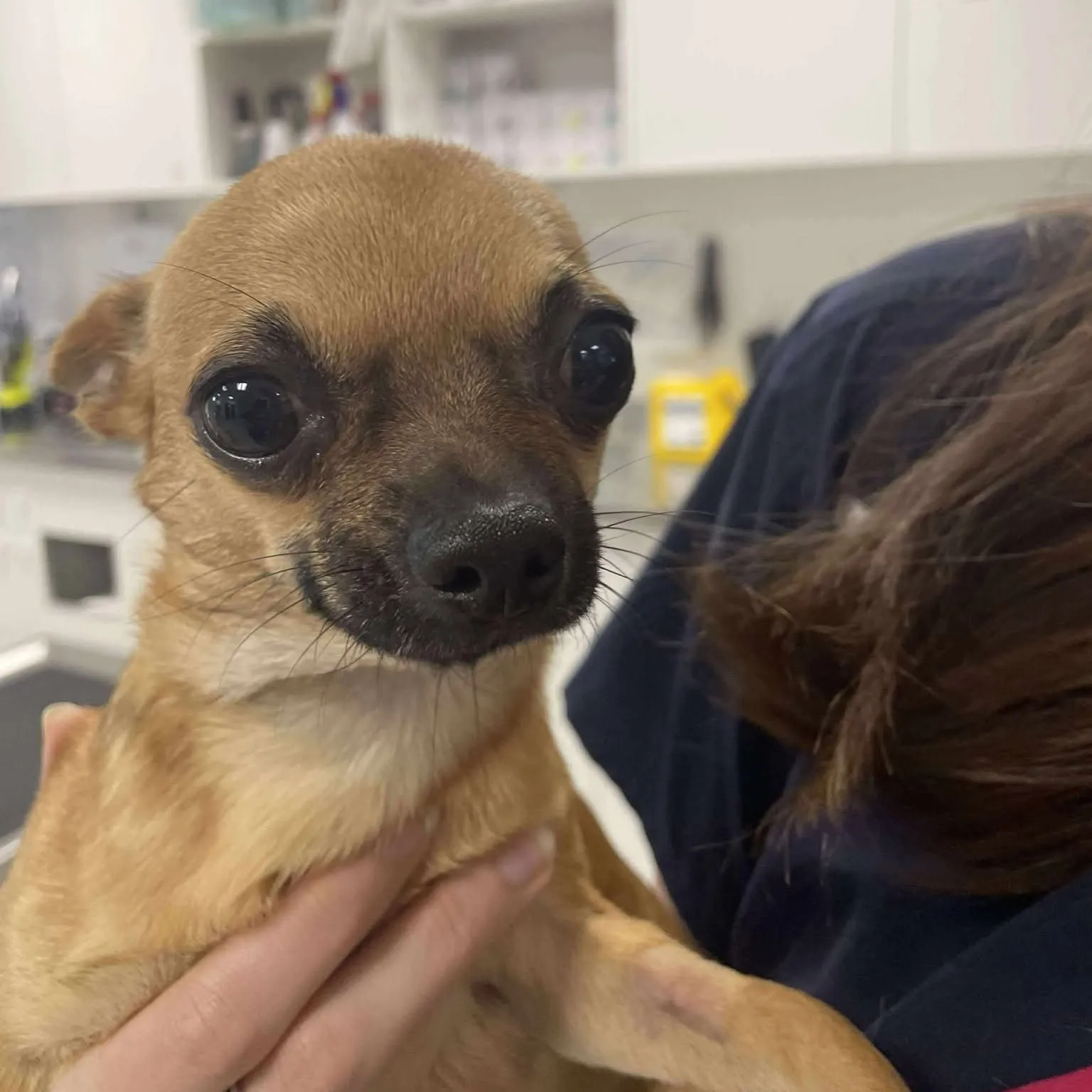
Little Chico came to our Atherton clinic after her owners noticed she was unsteady on her feet, struggling to stand, and had begun vomiting. A quick tick check revealed the culprit: a paralysis tick. Thanks to her owners’ fast response, Chico was rushed in and our team began emergency treatment immediately. Because she received prompt care, she made a full recovery and is back home, happy and healthy. Given her small size, even a small amount of tick toxin could have caused rapid, severe symptoms.
More recently, a male border collie was brought in after hours to the Innisfail clinic, where I am based, because he was a little weak and wobbly. He was a few weeks overdue for his parasite prevention. I found a paralysis tick during the consult, then clipped his very thick coat to make sure no others were hiding. He received emergency treatment, stayed in hospital, and has since made a full recovery.
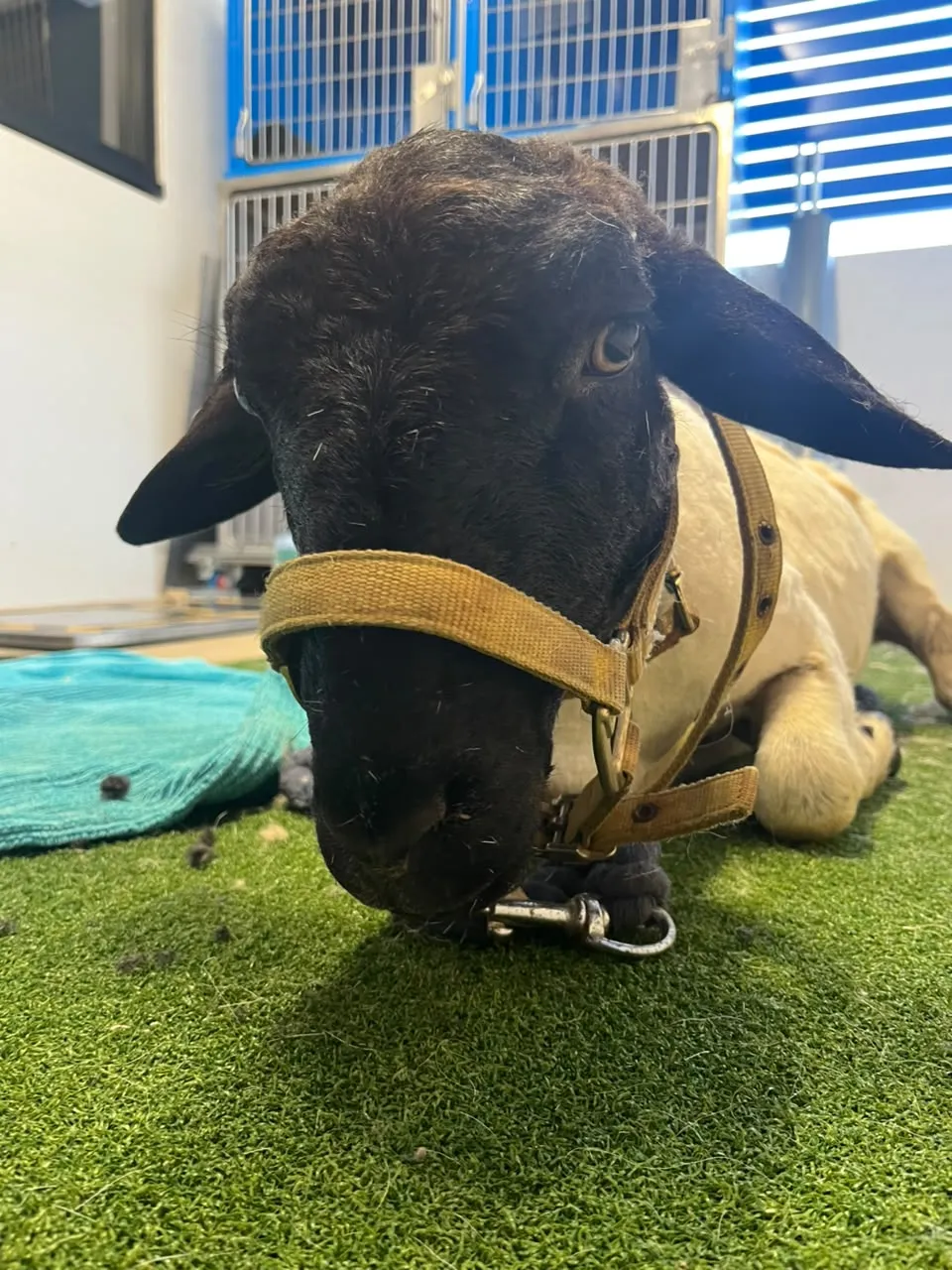
We are seeking huge numbers of tick cases this year and, only this week, we even had a sheep admitted with the same diagnosis. He was promptly shorn and saved!
Both cases are a good reminder that by the time signs of tick paralysis appear, pets may already be significantly affected. They also show how quickly protection can lapse when a dose slips by a few weeks, and how easily a tick can hide in a thick coat. For long-haired and double-coated breeds, part the fur right down to the skin when you check.
Making it simpler
Keeping track of several products on different schedules is often where protection slips. For dogs, one option is to pair the yearly heartworm injection with a yearly flea and tick injection. Together they cover heartworm, fleas and ticks for 12 months, leaving regular intestinal worming as the main thing to remember. Ask our team whether this suits your dog. Even with year-round protection in place, keep up your daily tick checks.
What we recommend
Daily tick checks, particularly after your pet has been outdoors. A reliable, vet-recommended parasite preventative used consistently and on schedule, including a yearly heartworm injection for dogs. Regular worming for pets of every age, not just puppies and kittens. And if you notice anything unusual, whether it’s a new bald patch, unusual itching, or your pet just seeming “off”, get it checked sooner rather than later.
Take the next step
Parasite prevention is one of the most straightforward things you can do for your pet’s health, and in our climate, one of the most important. https://www.tropicalvets.com.au/